
Key Insights
What women wear when swimming competitively is still a topic of debate, with the last two decades seeing multiple conversations develop around competitive swimwear technology and design and its use in competitive swimming environments.


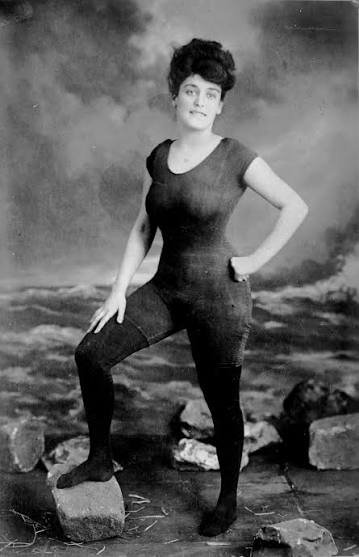
Annette Kellermann, c. 1906
Bain News Service. 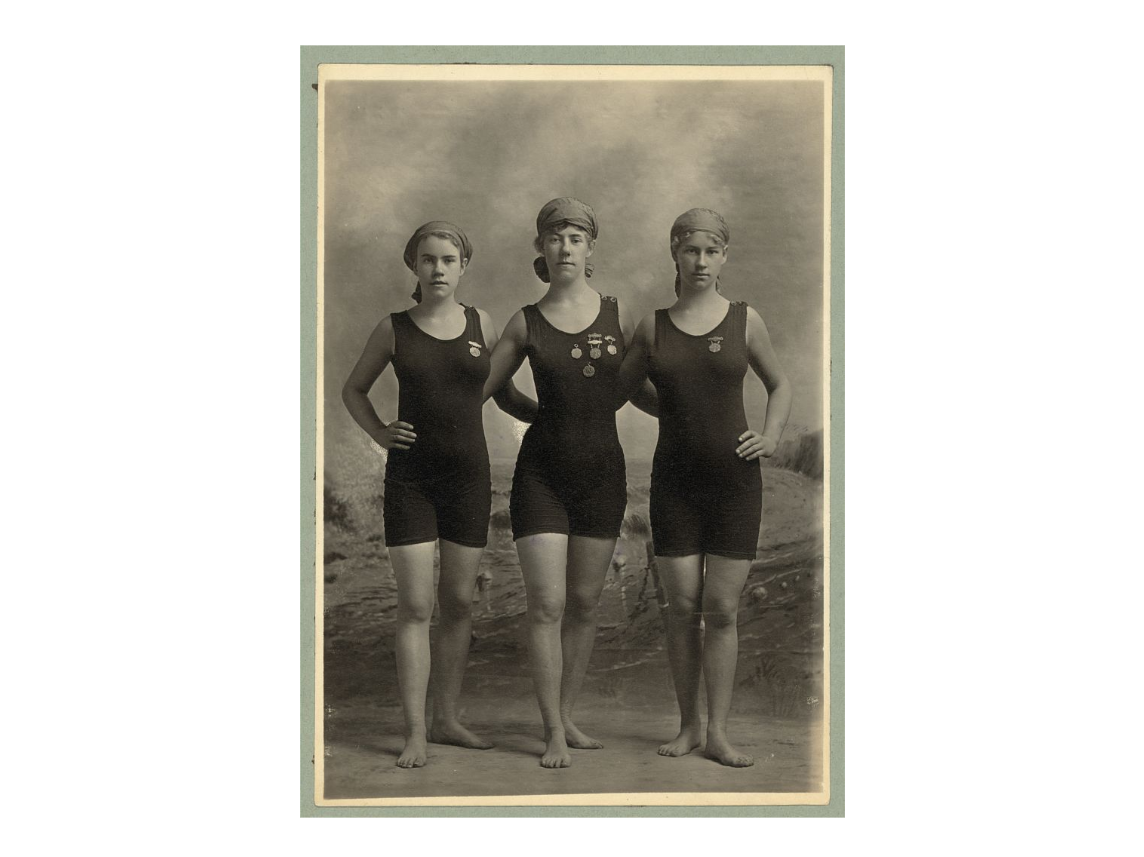
Three young women, undated
Library of Congress. 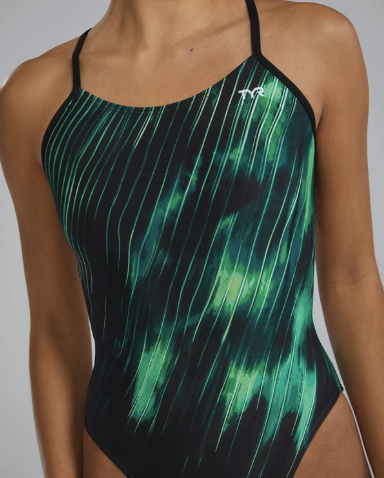
Swim teams must work within their team's color palette, which is often dictated by the offerings from major competitive swim team manufacturers in accordance with USA Swimming.
USA Swimming is the national governing organization for competitive youth swim leagues that prioritizes safety and the well being of its competitors.
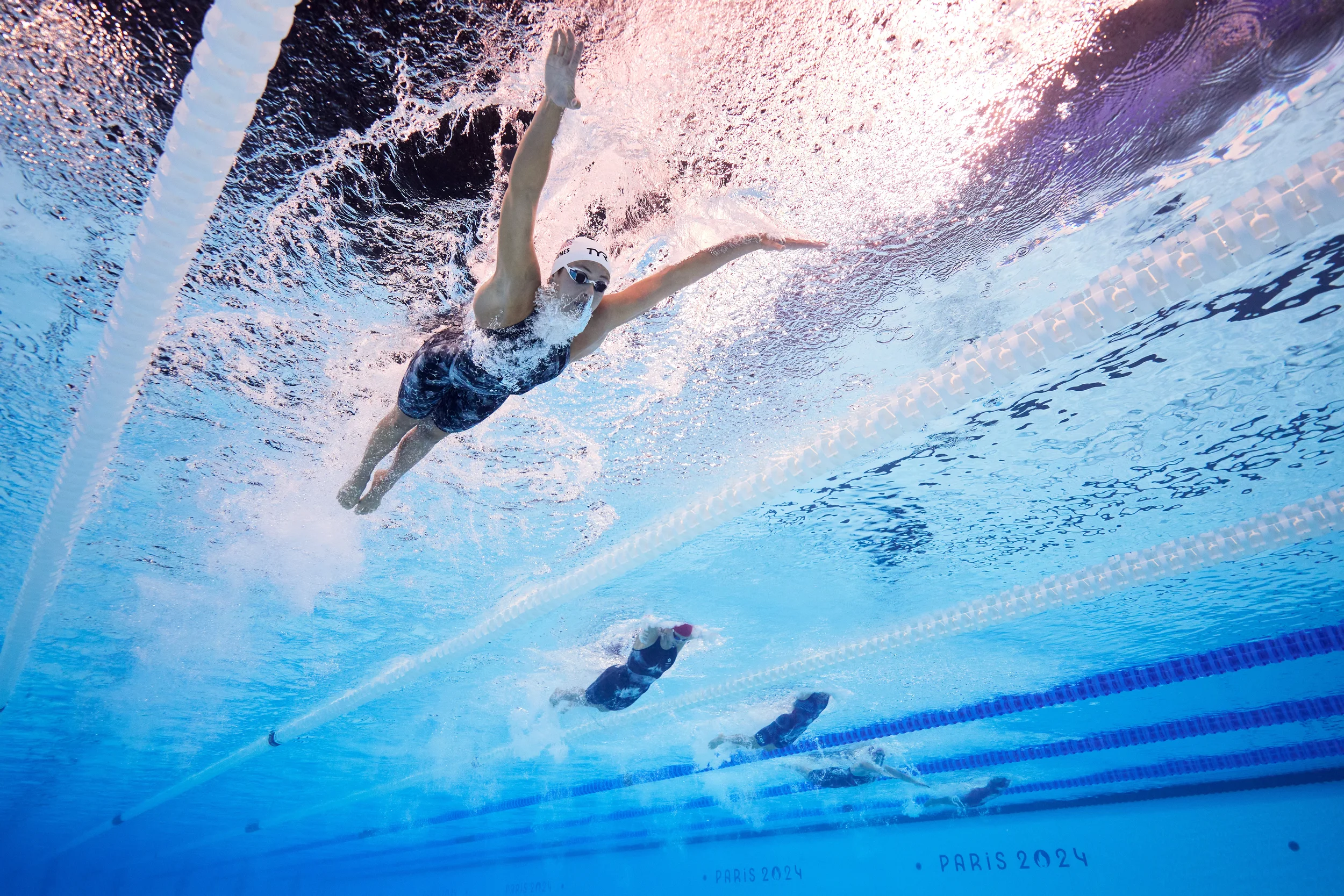
Considerations for swim team color selection include:
How well specific fabrics hold various colors over the lifetime of the suit. Dyes can fade over time due to sun exposure and laundry detergents in washing.
How easy it is to see colors in chlorinated water. Bright colors are easier to spot in a pool during an emergency, while colors closer to the color of pool water can make the swimmer harder to see.
What Swimmers Told Us…
We surveyed female swimmers, ages 11-15, in the Chesterfield, County, Virginia to find out how they feel in their team swimsuit and their preference in colors and print.
Swimmer feedback was analyzed for recurring themes related to color, motif, confidence, identity, and perceived gaps in competitive swimwear design. These insights informed the development of original print directions and an ongoing visual archive of swimwear surface design.
________________________________________
Probably flowers or light colors and modern
Pretty aqua colors and greens
Bold print like bright patterns
Blue and black… it was colorful… made me empowered swimming in it
Lines (colorful patterns)
…fun colors
Not really but a nice blue and pink flower print is lovely
COLOR USE IN ATHLETICS
Color plays a central role in the visual language of competitive swimwear, shaping how athletes, teams, and brands communicate energy, identity, confidence, and performance.
This project examined color through multiple points of reference, including the existing swimwear market, swimmer preferences, color use across men’s sports, shifts in the broader activewear marketplace, and professional trend research.
By comparing these sources, the research considers how competitive swimwear color palettes are both influenced by performance culture and limited by recurring industry conventions, while also identifying opportunities for more expressive, inclusive, and swimmer-centered design directions.
Trend Research
Trend research from Fashion Snoops provided a broader industry context for this project by identifying emerging directions in color, print, pattern, and consumer lifestyle aesthetics.
These insights helped situate swimmer feedback within larger fashion and activewear trends, allowing the research team to compare what young swimmers expressed wanting with the visual languages currently circulating across the marketplace.
By placing participant preferences in dialogue with professional trend forecasting, the project connects individual swimmer experience to broader shifts in design, culture, and consumer identity.